

Updates from Springfield: My bills, Bears, and a constitutional amendment
Dear Neighbor,
A few updates for you about developments in Springfield in April!
First of all, I passed four bills out of the House before our deadline. One will ensure juveniles get timely court hearings when their cases move between counties. One will help survivors of domestic violence navigate the process of getting orders of protection. A third codifies the process for the Secretary of State to issue IDs with an "X" gender marker (we don't want to be like Kansas!). And the fourth creates a new drug treatment program for people in prison with opioid use disorder. Here's a short video I made explaining that bill.
On to the Bears: You may have heard that we "passed a Bears bill" or something like that in the news. Let me try to be clear about what we did and didn't do on this issue.
The bill that passed, HB 910, is not a corporate subsidy. It doesn't give away any taxpayer dollars. It’s not a Bears bill, or a stadium bill. It doesn't guarantee that the Bears are going to Arlington Heights, or that they're not going to Indiana, for that matter.
It's a bill about property taxes for big developments — stadiums, factories, office parks, retail, anything non-residential over a certain size. These developments often can't work if they're subject to the regular commercial property tax rates. Fluctuations in those local rates can affect these projects' tax bills by tens of millions of dollars, and that kind of uncertainty makes developers wary about investing.
Instead, developers and towns often try to negotiate what's called a PILOT — a "payment in lieu of taxes." So instead of ("in lieu of") paying regular property taxes, they pay a fixed amount to the local governments each year for 20 or 30 or 40 years. The local governments get more revenue, and the developers get predictability on their bills.
Some jurisdictions have tried to make PILOT deals happen, but we don't have any uniform rules about it. Who negotiates the deal? How long does it last? What are the consequences if the developer breaks their agreement?
HB 910 addresses those questions. It puts in guidelines about what local governments get a seat at the table, how much of a say they have, how long these arrangements can last, and how to make sure developers keep their end of the bargain. It doesn't require any local government — Arlington Heights or anyone else — to negotiate, to accept a deal, anything like that. It just says, if you're going to do a PILOT, here's how it's got to work. These are the strongest guardrails around PILOT of anywhere in the country. And we're also proposing to force developers to set aside money on top of their payments for tax relief for local property owners.
Whether the Bears will stay in Chicago or go to the suburbs or go to Hammond is still a wide-open question. This bill won't decide that question. Personally, I want the team to stay in Chicago, but I don't want us giving away the farm to keep them here. This bill certainly doesn't do that.
One last topic: we also voted to place a constitutional amendment on the ballot in this November's election. It's about redistricting. Our state constitution currently requires our legislative districts to be compact, contiguous, and equal in population. It's notably silent on racial representation. Today, we make maps that are a little less compact than they could be, in order to make sure minority groups are kept together to elect representatives of their choosing. And we've always relied on the federal Voting Rights Act to defend that practice. But the US Supreme Court is poised to strike down that part of the VRA later this year (update: they just struck it down today), and if they do that, our state constitution's requirement for compactness will mean that our district maps might not be safe in the future.
We want to amend the Illinois Constitution to make sure that drawing maps to protect Black and Latino and Asian representation is still allowed, even if it means the districts have to have funny shapes to do so. This isn't about partisan gerrymandering, as you might have seen in the news. It's only about drawing majority-minority districts. Our legislature is really diverse, and we want to keep it that way.
More to come soon! As always, if you have questions about any of this, don't hesitate to reach out.
Sincerely,
Will
Circuit Court Clerk of Cook County Amnesty Week
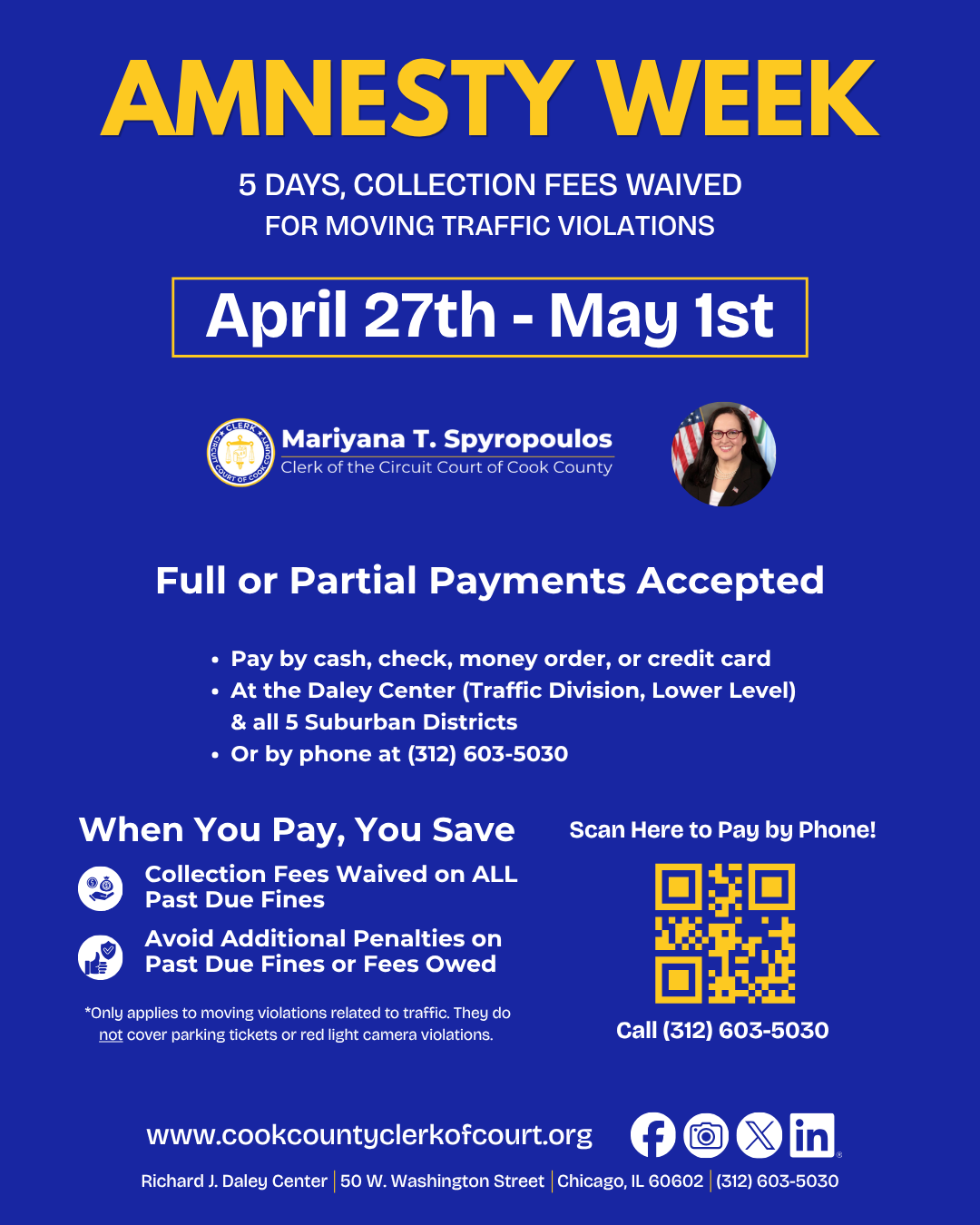
From Monday, April 27 to Friday, May 1, Clerk Mariyana Spyropoulos is holding the second annual Amnesty Week. This is an opportunity for Cook County residents to pay overdue moving traffic violations with collection fees waived.
Full or partial payments are accepted online, by phone, or in person at the Daley Center and suburban courthouses. If you’ve been putting it off, now is the time to take care of it and move forward. Learn more at cookcountyclerkofcourt.org.
Citizenship Workshop
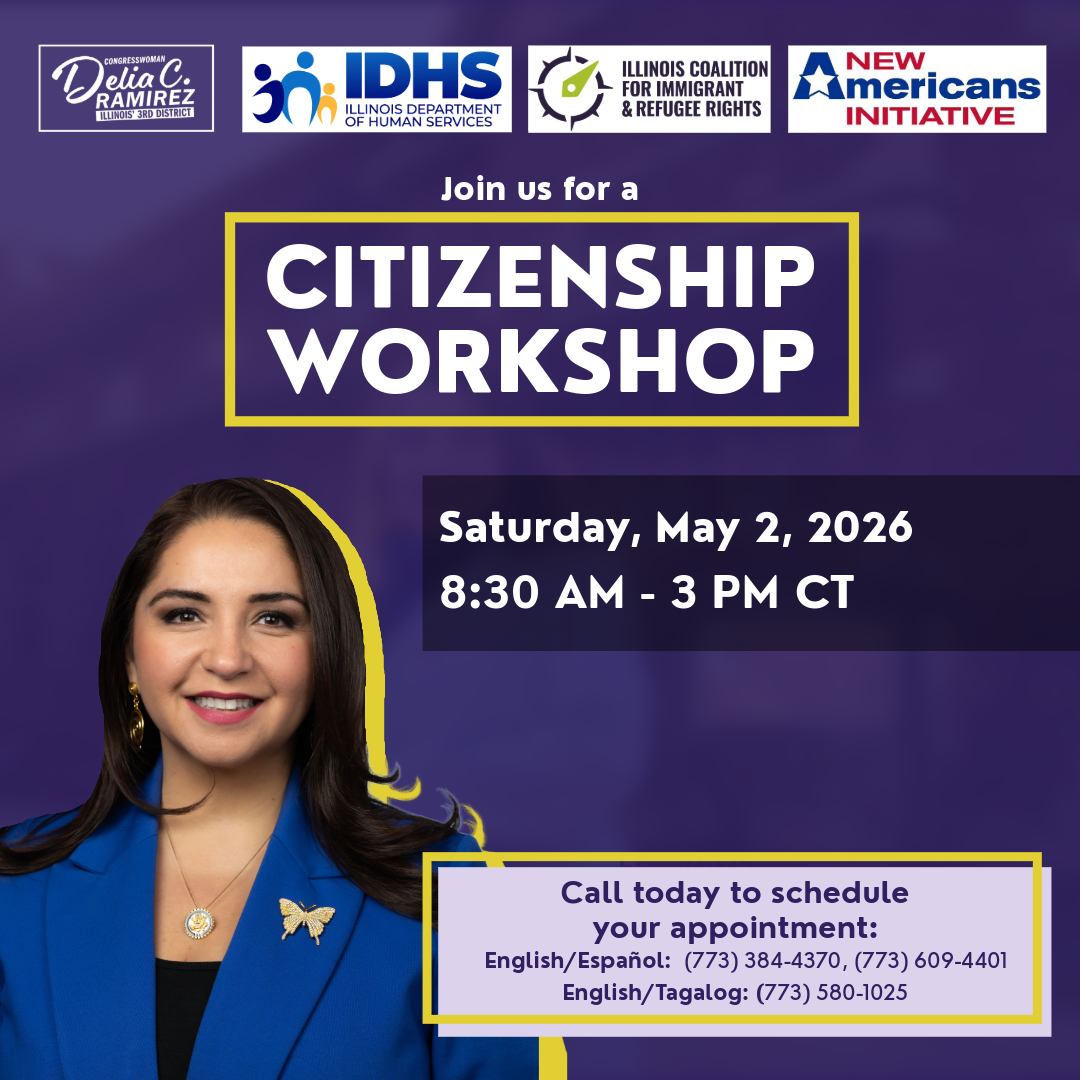
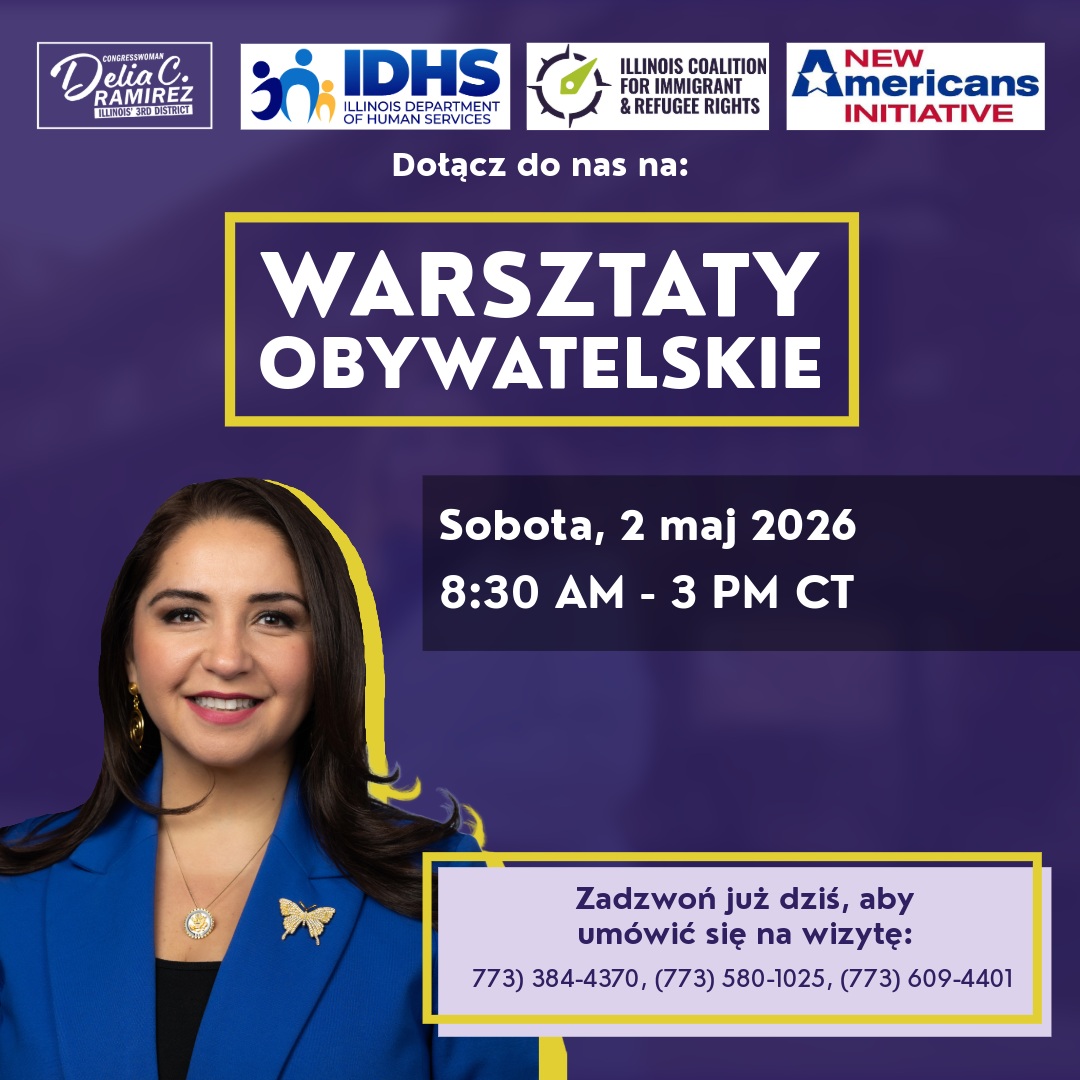
Do you or anyone you know need assistance with the citizenship process? Join Congresswoman Delia Ramirez for a Citizenship Workshop on Saturday, May 2, where organizations will be available to help navigate the process. Call today to schedule your appointment.
IWS Family Health Resources
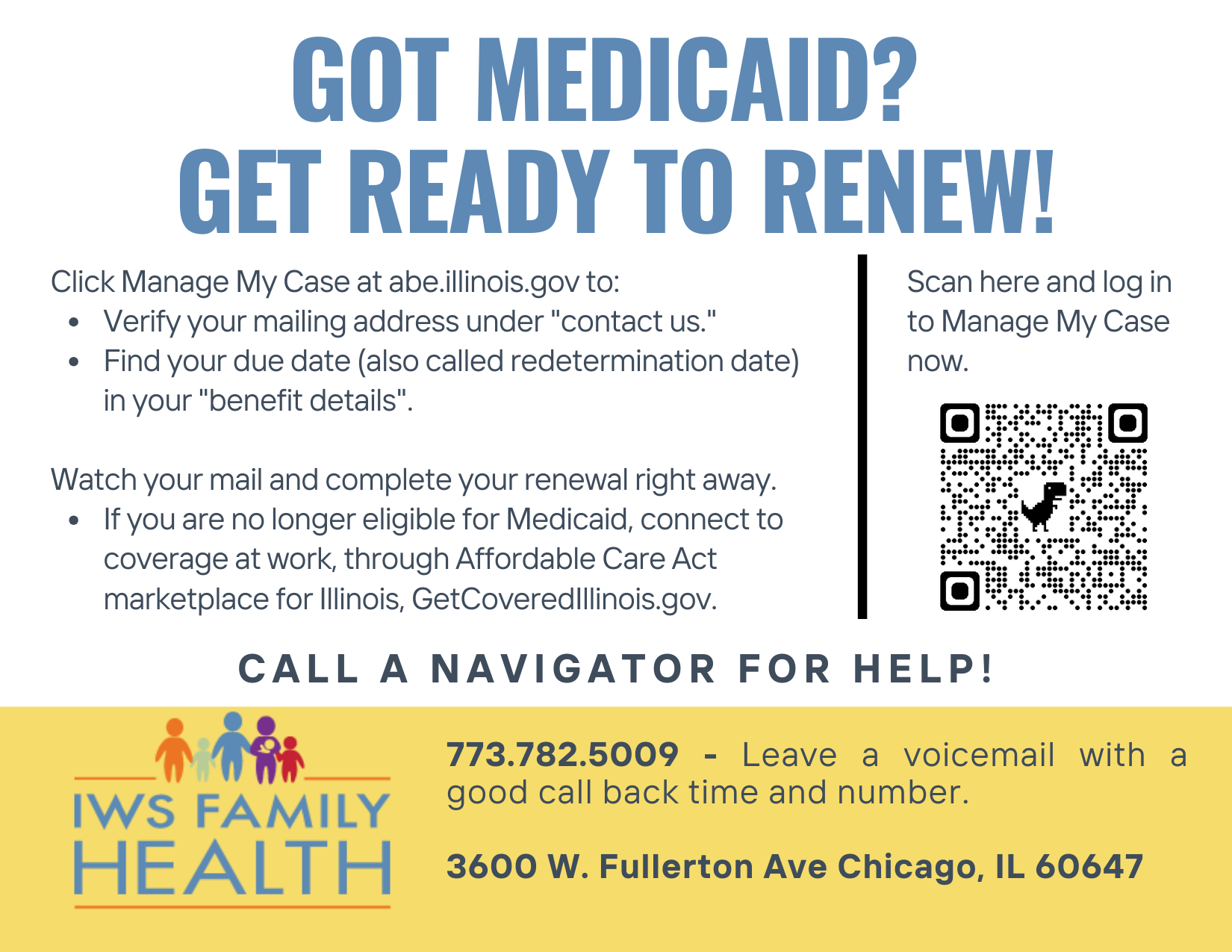
IWS Family Health provides free, confidential, and unbiased assistance to individuals and families who need help understanding and enrolling in health insurance coverage. IWS can assist with the following:
Marketplace (ACA) applications and renewals
Special Enrollment Periods
Medicaid eligibility and enrollment
Health insurance education to help people understand their options, costs, and coverage
Navigator services are offered at no cost, and assistance is available regardless of income or immigration status.
Illinois to America: the Stories that Shape Us Student Essay Contest

The Office of Lt. Governor Juliana Stratton is excited to announce the launch of the “Illinois to America: Stories that Shape Us” student essay contest for America’s 250th Anniversary. This contest is open to students in 6th-12th grade.
Winners will have their essays displayed in the Lt. Governor’s Chicago and Springfield offices and highlighted at the Lt. Governor’s tent at the state fair. In addition, they will receive a letter, certificate, and Challenge Coin from the Lieutenant Governor. There may also be some special surprises!
The contest is open from April 13 through 11:59pm CST on May 31. Winners will be announced on July 4. Here is the link to the contest website: Illinois to America: Stories That Shape Us | Essay Contest.