

Dear Neighbor,
This is my third out of four emails wrapping up the legislative session. If you missed the last two on the budget and major legislation, feel free to go back and read those.
Today I’d like to share a few legislative victories I championed this year. You’ll recognize a few of these as issues I’ve been working on for some time!
First off: insurance prices. I’ve introduced legislation for the past two years to cap car insurance premiums. Illinois is one of only two states in the country where companies can raise your insurance with no justification, regulation, or state oversight. I know many of us have seen those rates go way up in the last couple of years.
This year we expanded our fight to include homeowners insurance, and I’m proud to report that regulations of both of those industries passed and are headed to the Governor’s desk. Home and auto insurance companies will have to make a case for any annual increase above 10%. If they want to raise your rates that high, they’ll have to explain to the Department of Insurance why it’s necessary, and the Department will have the power to modify or reject those rate increases.
This is a huge, huge win — not only for better policy, but a win for people power over lobbying interests. State Farm and Allstate are both based in Illinois, and for decades they’ve used their clout to keep Illinois from passing any regulations at all over their pricing. Thanks to all of you who wrote in, shared stories, came to our town hall, and participated in this campaign. You guys were a huge part of this win.
We also passed a major anti-discrimination law. The Trump administration is actively undermining a core principle of discrimination law called “disparate impact.” The US Supreme Court created this doctrine to recognize that not all discrimination is out in the open. After the Civil Rights Act of 1964, Duke Power changed its policies from “Black people can only work in the janitorial department” to “the only way to transfer out of the janitorial department is to have a high school degree and score high on two different aptitude tests.” In Griggs v. Duke Power the Court recognized this as discriminatory even though it didn’t explicitly mention race, because the impact of the policy would harm a protected class.
This concept of disparate impact only exists in court rulings; it’s not in federal law. So now the Trump administration is refusing to pursue DI cases and undermining the doctrine through executive orders.
Against that backdrop, we passed a law codifying disparate impact protections in Illinois law. No matter what the federal government says, we know what discrimination is, and Illinois residents will be protected from discrimination in all its forms.
We also passed a transformative new model of drug treatment for incarcerated people. Our bill will allow people in prison with opioid addictions to get the gold standard of care, a 30-day long-acting injectable, rather than having to get dragged to the infirmary every day to take a pill. I discussed this bill in this video:
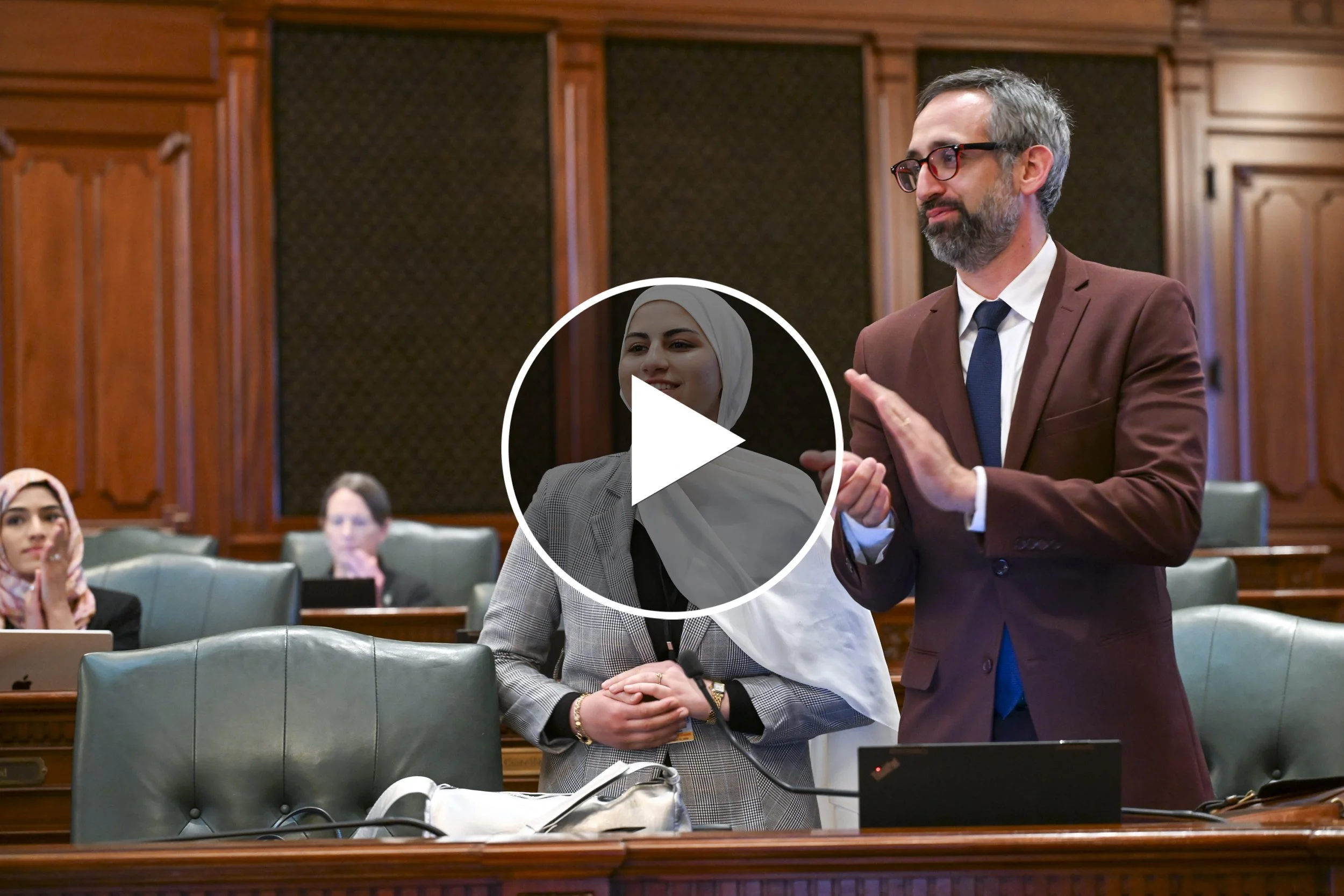
The measure passed as part of a large omnibus bill at the end of session, and it’s expected to be signed into law soon. Almost everyone in prison is coming back to our communities. It’s important that they get treatment in our care so they can return home prepared to succeed, not to recidivate.
One last bill I’ll mention: the Illinois Secretary of State already allows people to use the X gender marker on their drivers licenses. But that’s just a policy decision the Secretary made. In light of the scary news from Kansas this year, we wanted to make sure that rule was enshrined in law, in case a new Secretary changed their mind. I was proud to sponsor HB 5095 to do exactly that; it’s also on its way to the Governor’s desk.
In our last email in this series, we’ll talk about some of the bills we didn’t pass this year, what we’ll keep fighting for in veto session this November and in years to come.
Sincerely,
Will